
Moultrie County Jail Mugshots Overview
The Moultrie County Sheriff's Office runs the jail in Sullivan and creates a booking photograph for each person admitted, since state admission rules require detainees to be photographed in accordance with current law. That internal photo, though, is not posted in a public gallery. The official jail pages cover mail, visitation, funds, phone, and inspections, and none of them publishes a searchable mugshot or recent-bookings feed.
So where do Moultrie County booking photos appear online? On the official side, nowhere. There is no county recent-bookings page and no daily booking-photo report. Commercial mugshot sites may surface in a web search, but they are not official, are not maintained by the sheriff, and are not a reliable source for accuracy or removal. The dependable route is a direct records request, covered below.
Where to Find Moultrie County Booking Photos
With no online gallery, finding a booking photo is a short access-channel process rather than a search. You confirm custody first, then ask for the photo through the right channel. A phone call settles whether a person is held; a records request produces the actual image when the law allows its release.
- Call the Moultrie County Jail at 217-728-4386 to confirm the person is held and ask whether a booking photo can be released.
- Note the full name, an approximate arrest date, and the arresting agency or case number if you have them.
- File a county FOIA request for the booking photo and arrest report, choosing inspection, paper, certified, or electronic copies.
- Check the court case on Judici for charges and filings, though the court file usually does not include the jail booking photo.
For a sentenced state prisoner, the photo to look for is the one in the Illinois Department of Corrections locator, which is a separate system from the county jail. VINE can notify you of custody changes but does not provide a mugshot.
What a Moultrie County Booking Photo Shows
A booking photo is one part of the intake record. The arrest-report information Illinois treats as public can include identifying details and a photograph when and if available, along with the charges and the times a person was taken into or released from custody. The table lists the fields most likely to accompany a Moultrie County booking photo in a records response.
| Field | What It Shows |
|---|---|
| Booking Photo | The intake photograph taken when the person was admitted, released when and if available. |
| Name | The full legal name recorded at booking. |
| Identifying Details | Age and address-level identifiers listed in the arrest report. |
| Booking / Custody Times | When the person was received, discharged, or transferred. |
| Charges | The arrest-stage charges, which may differ from the prosecutor's filed charges. |
Because no public profile exists online, these fields come from a records request rather than a roster screen. For the charges the court actually adjudicates, see court records after a jail arrest.
Are Moultrie County Jail Mugshots Public Record?
In Illinois, arrest-report information including a booking photograph is treated as public when and if available, and agencies must furnish core arrest facts no later than 72 hours after an arrest under the state's arrest-report law. That access is not absolute. An agency can withhold a photo or details when release would interfere with a pending or contemplated law-enforcement proceeding, endanger life or safety, or compromise correctional security, and juvenile confidentiality still applies. State law also restricts posting booking photos on social media for minor offenses and bars charging fees to remove published criminal-record information.
Key Statutes:
Illinois arrest-report law, 5 ILCS 140/2.15 - core arrest facts, including a photograph when and if available, must be furnished no later than 72 hours after an arrest, with safety and law-enforcement exceptions.
Illinois consumer-fraud law, 815 ILCS 505/2QQQ - makes it unlawful for a publisher of criminal-record information to charge a fee to remove, correct, or modify that information.
How Long a Mugshot Stays Available
Because Moultrie County does not run a public roster, there is no online display window for a booking photo to drop off. The county has not published how long it keeps a booking photo or when a historical image is purged. The internal photo exists as part of the booking record, and access to it is governed by the records and arrest-report rules rather than a posting clock.
What is and isn't public: The jail does not post booking photos online, so nothing is publicly viewable on a county roster. A booking photo can still be public under the arrest-report law, which means you request it through a records process. Photos tied to juveniles, pending investigations, or safety concerns can be withheld.
How to Request a Moultrie County Booking Photo
The reliable way to obtain a booking photo that is not online is a Freedom of Information Act request to the office that holds it, which for a jail booking photo is the Sheriff's Office. Include the person's full name, an approximate arrest date, the arresting agency if known, and any case number, and state whether you want inspection, paper copies, certified copies, or electronic copies. The county answers a non-commercial request within five business days, with an extension possible, and charges a copy fee after the first 50 pages. The arrest-report law's 72-hour rule can apply to the core arrest facts when they are not withheld.
If the photo is for a person already sentenced to prison, the request shifts to the state system rather than the county, since the Illinois Department of Corrections holds those records.
Mugshot Removal and Sealed Records
Removing a booking photo is really a question of clearing the underlying record. Illinois law bars publishers of criminal-record information from charging a fee to take a photo down, so paid removal pitches run against state law. The lawful path is to clear the record itself. After a dismissal or an eligible disposition, a person may seal or expunge an arrest record, which limits or removes public access to the case and the materials tied to it.
This site does not name or endorse any commercial removal service. The right route is the records-clearing process, explained alongside sealing and expunging an arrest record on the court-records page. A booking photo held only as part of an internal jail record is also not a public gallery image in the first place.
Federal and State Booking Photos
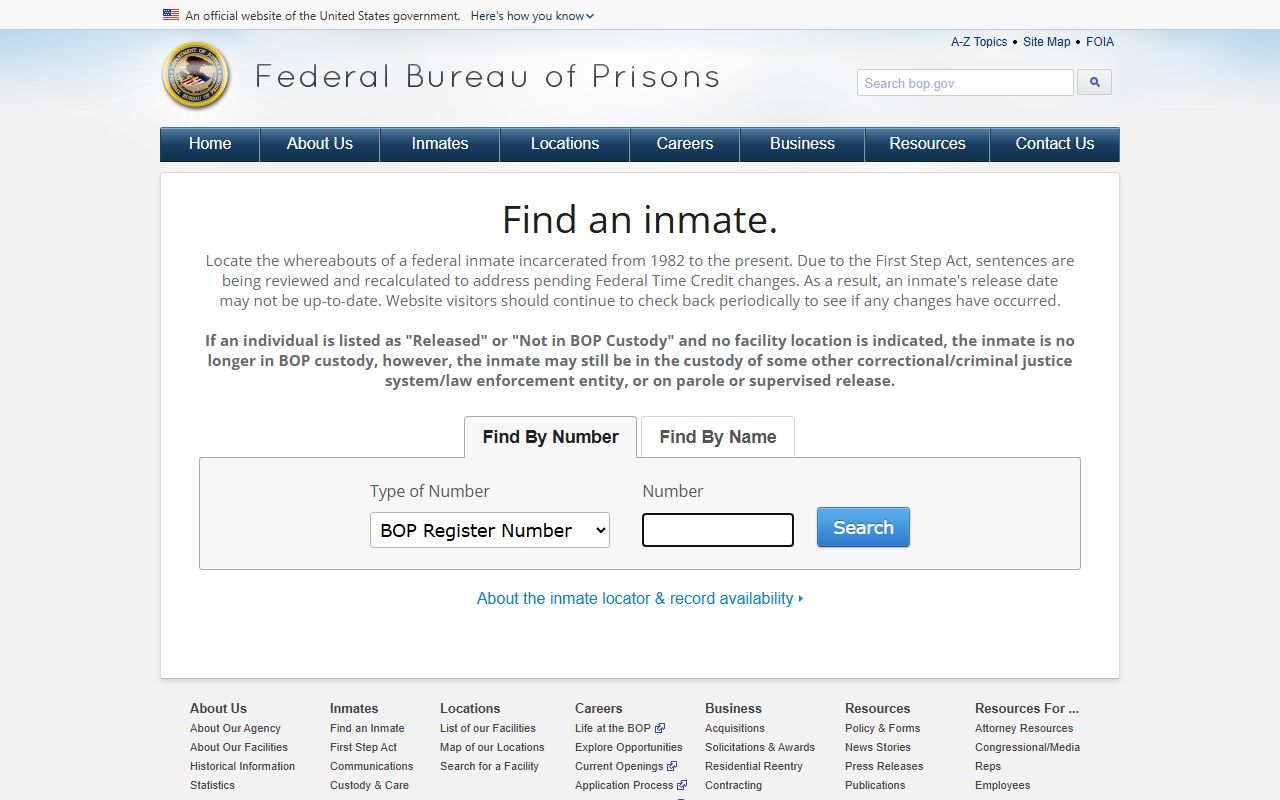
Federal custody works differently. The Federal Bureau of Prisons locator returns custody information but does not publish booking photos through its locator, and U.S. Marshals photos are generally not public locator images. So a federal booking photo is not something you find the way you would a county arrest report.
The federal locator search is run at the Bureau of Prisons, which is the tool for federal custody rather than county booking photos.
You can reach it at the Federal Bureau of Prisons inmate locator, which returns name, register number, age, race, sex, release date, and location, but not a mugshot.
State prisoner photos appear in the Illinois Department of Corrections locator instead, which is separate from the county jail and from any booking-photo request made to the sheriff.
Social Media Limits and Commercial Mugshot Sites
Illinois law added a guardrail on how police share booking photos. Under Public Act 100-0927, law enforcement may not post booking photographs on social media for civil offenses, petty offenses, business offenses, Class C misdemeanors, and Class B misdemeanors. The exception is narrow: a photo may be posted to help find a missing person, a fugitive, a person of interest, or someone wanted for a more serious crime. That rule shapes what an agency itself will circulate, separate from any formal records request.
Commercial mugshot sites are a different matter. They are not official, they are not maintained by the sheriff, and Illinois bars publishers of criminal-record information from charging a fee to remove, correct, or modify what they post. Treat those sites as unreliable for accuracy and ignore any paid-takedown pitch, since the lawful path runs through the records office and the courts.